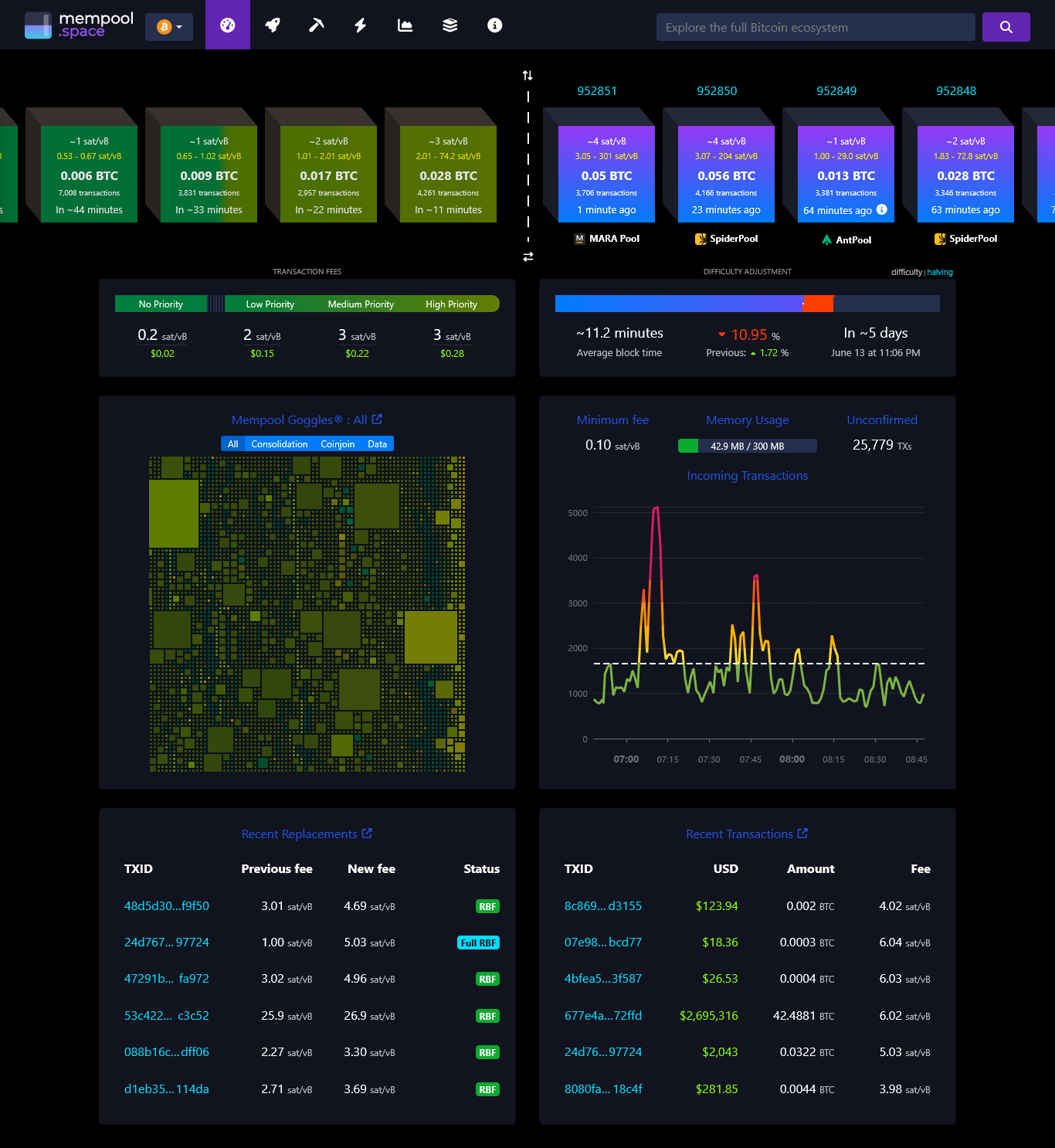
Introduction :>
In the world of blockchain and cryptocurrencies, transactions do not become part of the blockchain immediately after they are submitted. Instead, they first enter a temporary holding area known as the Mempool. Short for "memory pool," the Mempool plays a critical role in how decentralized networks process, prioritize, and confirm transactions.
Understanding the Mempool is essential for blockchain users, developers, traders, and researchers because it directly influences transaction speed, network congestion, and transaction fees.
What Is a Mempool?
A Mempool is a collection of unconfirmed transactions that have been broadcast to a blockchain network but have not yet been included in a block. Every node in the network maintains its own version of the Mempool, storing valid transactions awaiting confirmation.
When a user sends cryptocurrency, the transaction is first verified by network nodes. Once validated, it enters the Mempool and waits for a miner or validator to select it for inclusion in the next block.
The Mempool functions much like a waiting room at a busy airport. Passengers (transactions) arrive and wait until they are called to board a flight (block).
How the Mempool Works
The lifecycle of a blockchain transaction typically follows these steps:
1. Transaction Creation – A user initiates a transaction using a wallet.
2. Broadcasting – The transaction is sent to the blockchain network.
3. Validation – Nodes verify that the transaction follows protocol rules.
4. Mempool Entry – The transaction is stored in the Mempool.
5. Block Selection – Miners or validators choose transactions from the Mempool.
6. Confirmation – The selected transaction is added to a block and becomes part of the blockchain.
:> Once confirmed, the transaction is removed from the Mempool.
Transaction Fees and Prioritization
Most blockchain networks prioritize transactions based on the fees attached to them. Since block space is limited, miners and validators often select transactions that offer the highest rewards.
For example:
1. High-fee transactions are usually processed quickly.
2. Low-fee transactions may remain in the Mempool for longer periods.
3. During periods of heavy network activity, users may need to increase fees to receive timely confirmations.
// This market-based mechanism helps allocate scarce block space efficiently.
Mempool Congestion
Mempool congestion occurs when the number of incoming transactions exceeds the network's processing capacity. During congestion:
. Confirmation times increase.
. Transaction fees rise.
. Lower-priority transactions may remain unconfirmed for extended periods.
// Congestion has occurred during major cryptocurrency market rallies, NFT launches, and periods of heightened network activity.
Mempool Differences Across Blockchains
Different blockchain networks implement Mempool management in different ways.
Bitcoin :>
Bitcoin's Mempool is highly visible and often analyzed by traders and researchers. Transactions compete for limited block space, and fee rates strongly influence confirmation speed.
Ethereum :>
Ethereum uses a similar concept but incorporates a dynamic fee market. Following protocol upgrades, users pay a base fee and may add a priority fee to incentivize validators.
Other Networks :>
Some modern blockchains have higher throughput and shorter block times, reducing Mempool congestion. However, most still maintain a queue of pending transactions before final confirmation.
Why the Mempool Matters ://
The Mempool provides valuable insights into network health and user behavior. By monitoring Mempool activity, participants can:
1. Estimate transaction confirmation times.
2. Determine appropriate transaction fees.
3. Detect periods of network congestion.
4. Analyze demand for block space.
5. Observe market activity and network trends.
// For traders, Mempool data can sometimes reveal increased transaction activity before it becomes visible on-chain.
Security and Challenges ://
While Mempools are essential, they also present challenges:
Front - Running ://
In some blockchain ecosystems, attackers may observe pending transactions and submit competing transactions with higher fees to gain an advantage.
Spam Attacks ://
Malicious actors may flood the Mempool with low-value transactions to create congestion and increase network costs.
Transaction Replacement ://
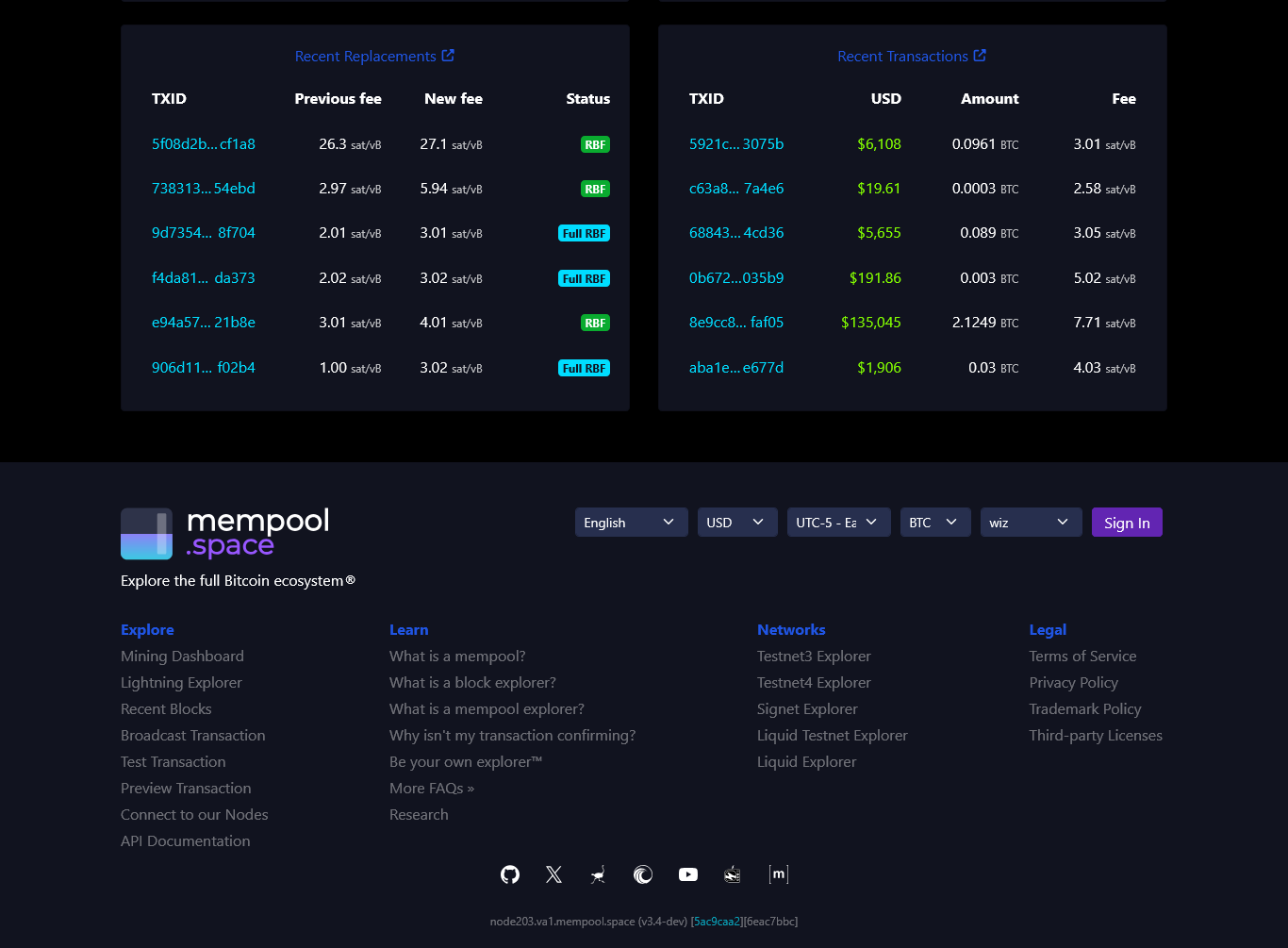
Certain networks allow users to replace pending transactions with higher-fee versions, helping accelerate confirmations but adding complexity to Mempool management.
The Future of Mempools
As blockchain technology evolves, developers continue exploring methods to improve transaction handling. Layer-2 solutions, rollups, Sharding, and improved fee mechanisms aim to reduce congestion and enhance scalability.
Despite these innovations, the Mempool remains a fundamental component of blockchain architecture, serving as the bridge between transaction submission and permanent inclusion in the ledger.
Conclusion ://
The Mempool is a crucial yet often overlooked part of blockchain networks. Acting as a staging area for unconfirmed transactions, it influences transaction speed, fees, and overall network performance. Whether you are a casual cryptocurrency user or a blockchain professional, understanding how the Mempool operates provides valuable insight into the mechanics that keep decentralized systems functioning efficiently.
As blockchain adoption grows, the Mempool will continue to play a central role in balancing demand, maintaining network security, and facilitating the smooth processing of transactions across decentralized ecosystems.

Best AI Website Maker